INSIGHTS
The Service Model Aiming to Simplify Carbon Capture
CarbonQuest and Daroga Power make carbon capture accessible with a service model that cuts cost and complexity
27 Jun 2025
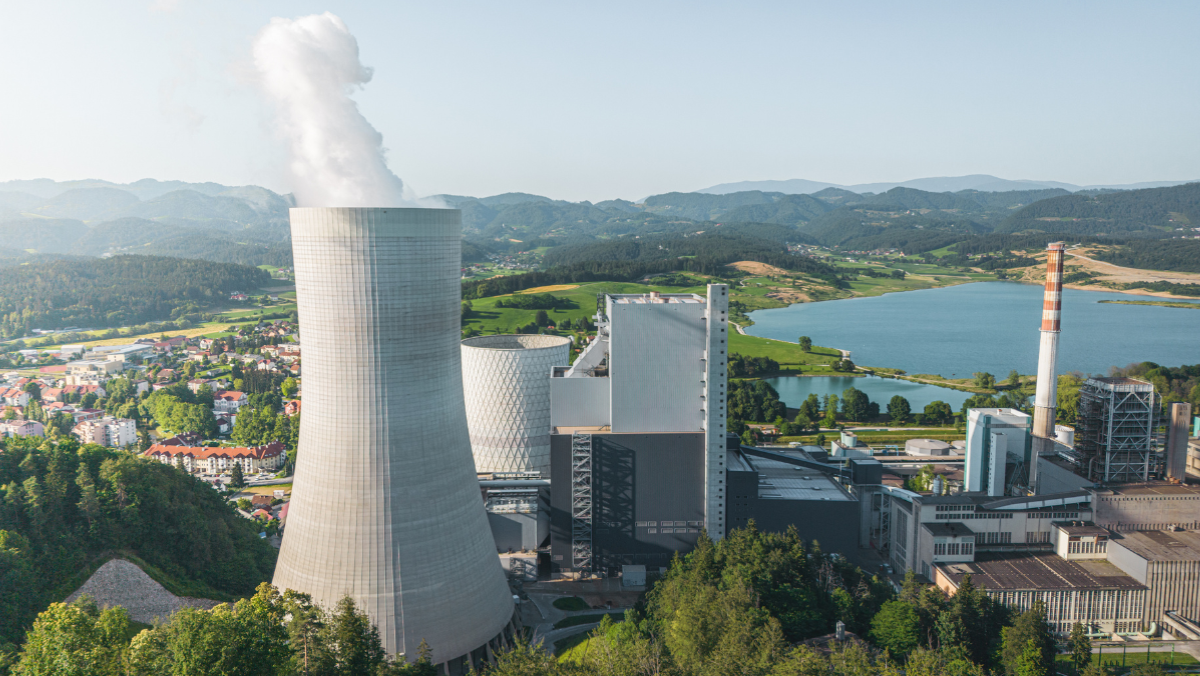
Carbon capture, long seen as costly kit for heavy industry, is gaining an unexpected helper: a subscription. CarbonQuest and Daroga Power have begun offering “capture as a service”, a model pitched at firms that want cleaner operations but lack the money or patience for bespoke machinery. Their timing is neat. Companies across North America face rising pressure to curb emissions even as supplies of commercial CO₂ grow fragile.
The partners’ first installation, at a beverage plant in Washington state, is already trapping, purifying and reusing CO₂ on site. The idea is disarmingly simple. Rather than ask clients to buy and run intricate hardware, CarbonQuest and Daroga install and manage the system themselves, then sell the outcome through long-term contracts similar to agreements for renewable power. For many mid-sized operators this strips away the cost and technical hurdles that have kept carbon capture out of reach.
Two forces make the offer appealing. One is scrutiny of carbon footprints, which is now routine even for modest manufacturers. The other is the recent spate of CO₂ shortages that has disrupted food and drink producers in particular. Generating CO₂ on the premises eases those supply shocks while cutting emissions. As Shane Johnson, CarbonQuest’s boss, puts it, customers want real reductions but prefer to dodge “the financial risks tied to advanced equipment”. A service model lets them move without committing large sums.
Analysts say the move fits a broader push for low friction climate tools as federal incentives and state rules expand. Daroga Power, better known for distributed energy, is using the moment to branch into carbon services just as interest begins to rise.
Still, the hurdles are plain. Providers must guarantee dependable performance across many sites and adapt to shifting policies. The economics also depend on lasting demand for captured CO₂, a market that has grown but remains uneven. Even so, expectations are buoyant. The service may tempt firms too small for traditional capture projects but large enough to benefit from steadier supplies and cleaner credentials.
What is emerging is a modest but notable shift in how carbon capture spreads beyond major industrial hubs. Early reactions suggest that a simpler, more accessible approach could widen the market and speed adoption. As further projects appear, the technology may be entering a phase where flexibility, not scale alone, defines its future.
Latest News
17 Nov 2025
Texas Takes the Lead in CO₂ Oversight12 Nov 2025
The New Race to Verify Every Ton of CO₂7 Nov 2025
A Water Making Carbon Machine Puts Science to the Test25 Oct 2025
Google Bets on CCS to Power Its Data Boom
Related News
REGULATORY
17 Nov 2025
Texas Takes the Lead in CO₂ Oversight
TECHNOLOGY
12 Nov 2025
The New Race to Verify Every Ton of CO₂
RESEARCH
7 Nov 2025
A Water Making Carbon Machine Puts Science to the Test
SUBSCRIBE FOR UPDATES
By submitting, you agree to receive email communications from the event organizers, including upcoming promotions and discounted tickets, news, and access to related events.